
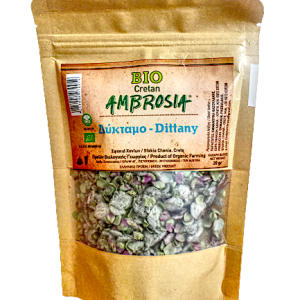
Dittany (Diktamo)
Price range: 2,20 € through 3,00 €Healing herb for digestion, stomach, intestine, fights headache, neuralgia, muscle aches, against flu and colds and other ailments.
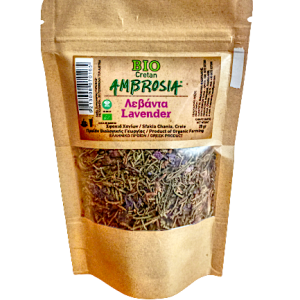
Lavender
Price range: 2,20 € through 2,60 €Lavender has been used by Mediterranean peoples for more than 2,500 years. Its healing properties rank it among the 20 most important herbs and have rightly given it the title "Blue Gold".
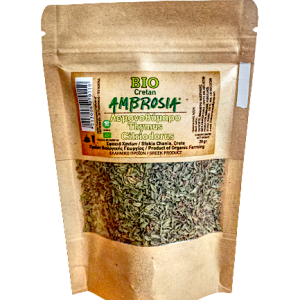
Lemon thyme
Price range: 2,20 € through 2,60 €The lemon thyme is considered one of the hardiest varieties with the most intense aroma. It is an evergreen small shrub that reaches a height of 20-30 cm.
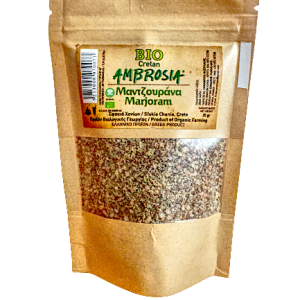
Marjoram
Price range: 2,20 € through 2,60 €The marjoram, also a native plant of Crete, has been known since ancient times to the Cretans and of course to the Ancient Greeks.
It was used as a remedy against stomach and intestinal disorders, nervous disorders and even for the treatment of the common cold.
In pharmacy it was used for diseases of the heart, fever and in the antisepsis of wounds.
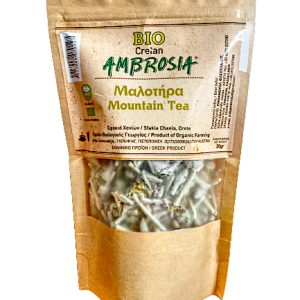
Mountain Tea (Malotira)
Price range: 3,00 € through 4,50 €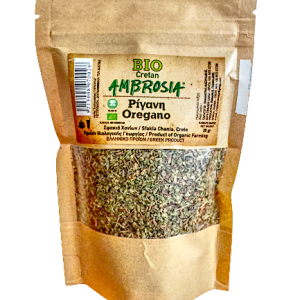
Oregano
Price range: 2,20 € through 11,00 €Apart from the characteristic aroma and taste that oregano leaves in food, it has many medicinal properties. It is tonic, appetizing, stimulant, antidiarrheal, anti-inflammatory, bactericidal. In the form of decoctions it is used for atony of the intestines, expectorant for coughs, helps with hypertension and arteriosclerosis.
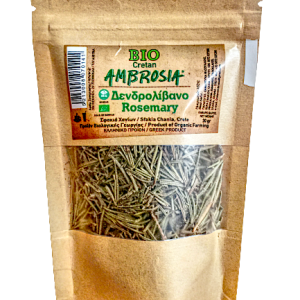
Rosemary
Price range: 2,20 € through 2,60 €The Greek name of the plant "Dendrolivano" is a combination of the words tree and frankincense, while the Latin name Rosmarinus means rose of the sea.
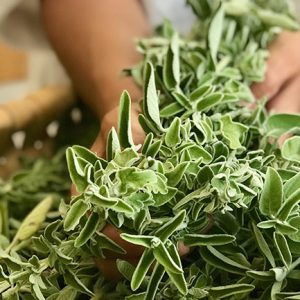
Sage
Price range: 2,20 € through 2,60 €Sage is the predominantly Greek sage, with widespread uses as a medicinal plant in botany and folk medicine. The leaves and flowers of the plant are used for therapeutic purposes. Its wide range of applications includes conditions such as pharyngitis, laryngitis, tonsillitis, bronchitis (emollient, expectorant and antimicrobial action), diarrhoea, gastroenteritis, dysentery (astringent and antiseptic action), dysmenorrhoea, leukorrhoea, hypotension, diabetes, arthritis.
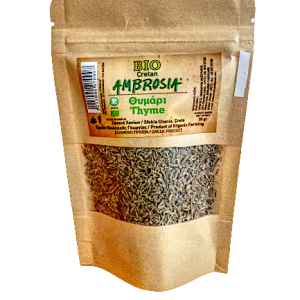
Thyme
Price range: 2,20 € through 2,60 €Thyme leaves, when dried, emit their aroma when rubbed in our hands, giving a strong taste and flavouring fish, meat, sauces and soups.